March 29, 2018 · 6 min read
Seven Good Words: The Work Jesus Did on the Cross
 . . . they crucified him . . .
-- Luke 23:33 --
. . . they crucified him . . .
-- Luke 23:33 --
Behold the Man: Seeing the Work of Christ's Cross,
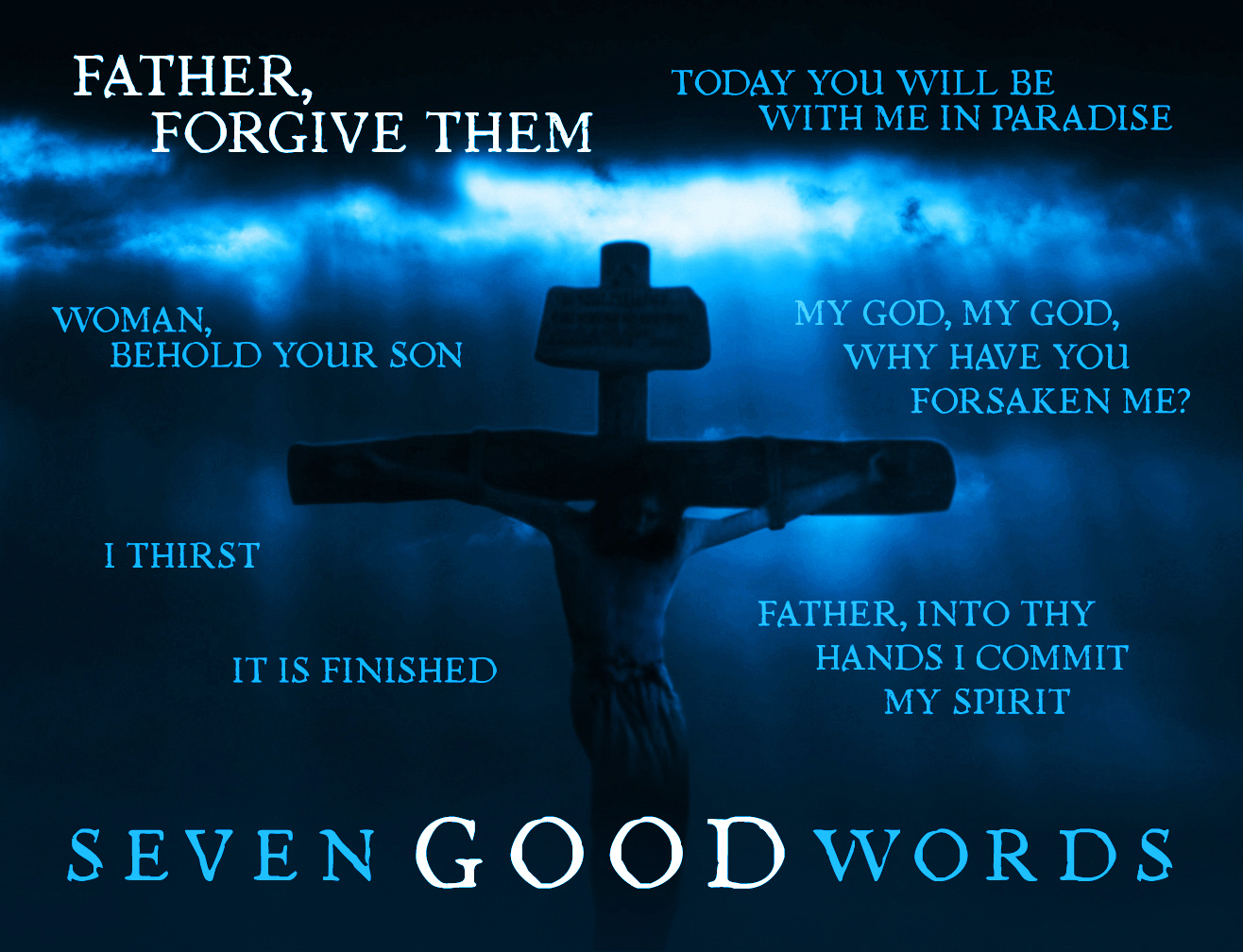
When we read the account she of Jesus' crucifixion, it would be a mistake to think he passively endured the cross, as another helpless victim of injustice. As Jesus reveals in John 10:17–18, he had authority to lay down his life and authority to pick back up again. Indeed, as the soldiers fell down at Jesus' feet when they came to arrest him (John 18:6), it is apparent Jesus' death was not out of his control. Rather, it went according to God's eternal plan (Acts 4:27–28) and the Father's sovereign will (Isaiah 53:10). Though Jesus died at the hands of evil men, it was his hands that were laboring to reconcile the world to God. It is in this active sense, we should consider what Jesus did on the cross. While theologically, we can speak of his cross in one sense as his passive obedience, there is another sense in which his cross reflects Jesus's final work of his active obedience. For instance, in the Epistles we learn how Jesus's death justified the wicked (Romans 5:9–10), transferred righteousness to sinners (2 Corinthians 5:21), removed the curse from his people (Galatians 3:13), disarmed the devil (Colossians 2:13–15), and inaugurated a new covenant (1 Corinthians 11:25–16). From passages like these, we learn Jesus's death was hardly passive. Therefore, as we prepare to remember his death this Good Friday, we should remember the work he did on the cross. And one of the best ways to understand that work is to listen to the words Jesus spoke on the cross. In fact, in his six hours on the cross, he spoke seven words---seven statements encapsulating much of what his cross accomplished. Sometimes these words are called Jesus last words. I prefer to call them good words because they display the essence of the good news and the goodness that resulted from Christ's death on Calvary. In order of the Gospels, these seven statements can be found in Matthew/Mark (1), Luke (3), and John (3). But in order of timing, these seven statements typically appear as follows:- Father, forgive them, for they know not what they are do. (Luke 23:34)
- Truly, I say to you, today you will be with me in paradise. (Luke 23:43)
- My God, My God, why has thou forsaken me? (Matthew 27:46; Mark 15:34)
- Woman, behold, your son . . . Behold, your mother! (John 19:26–27)
- I thirst. (John 19:28)
- It is finished. (John 19:30)
- Father, into your hands I commit my Spirit. (Luke 23:46)
Seven Good Words
Consider the seven good words Jesus spoke from the cross.- Jesus interceded for transgressors. At the same time, he fulfilled the law and his own word: "But I say to you who hear, Love your enemies, do good to those who hate you, bless those who curse you, pray for those who abuse you." (Luke 6:27–28)
- Jesus gave comfort to a dying man. But more, he also saved the thief who turned to him in his final minutes.
- Jesus interpreted the Father's self-abandonment through the lens of Psalm 22. Moreover, he suffered the wrath of God on the cross so that others might find God's good favor.
- Jesus honored his mother and provided for her well-being. Though losing his own life, he did not forget the woman who brought him into the world. Even more, he created in John and his mother a new spiritual family based not on the flesh but his death and resurrection.
- Jesus again interpreted Scripture when he said "I thirst." In this quotations of Psalm 69:20, he confirmed his humanity and the spiritual warfare he engaged on the cross.
- Jesus finished his earthly labors. He obeyed his father to the end, and in his perfect obedience he secured salvation for people.
- Jesus gave up his life. Again, Jesus did not have his life taken away from him; he gave it up when his life's work was finished. And thus even his last act of surrender was a triumphant act of obedience to the Father---as he was sent into the world, he returned to heaven with the express purpose of bringing his people back to the Father.
Leave a comment
Comments are read before they appear. Your email is never published.