January 8, 2024 · 2 min read
Restoring the Right Hand of Fellowship: A New Sermon Miniseries
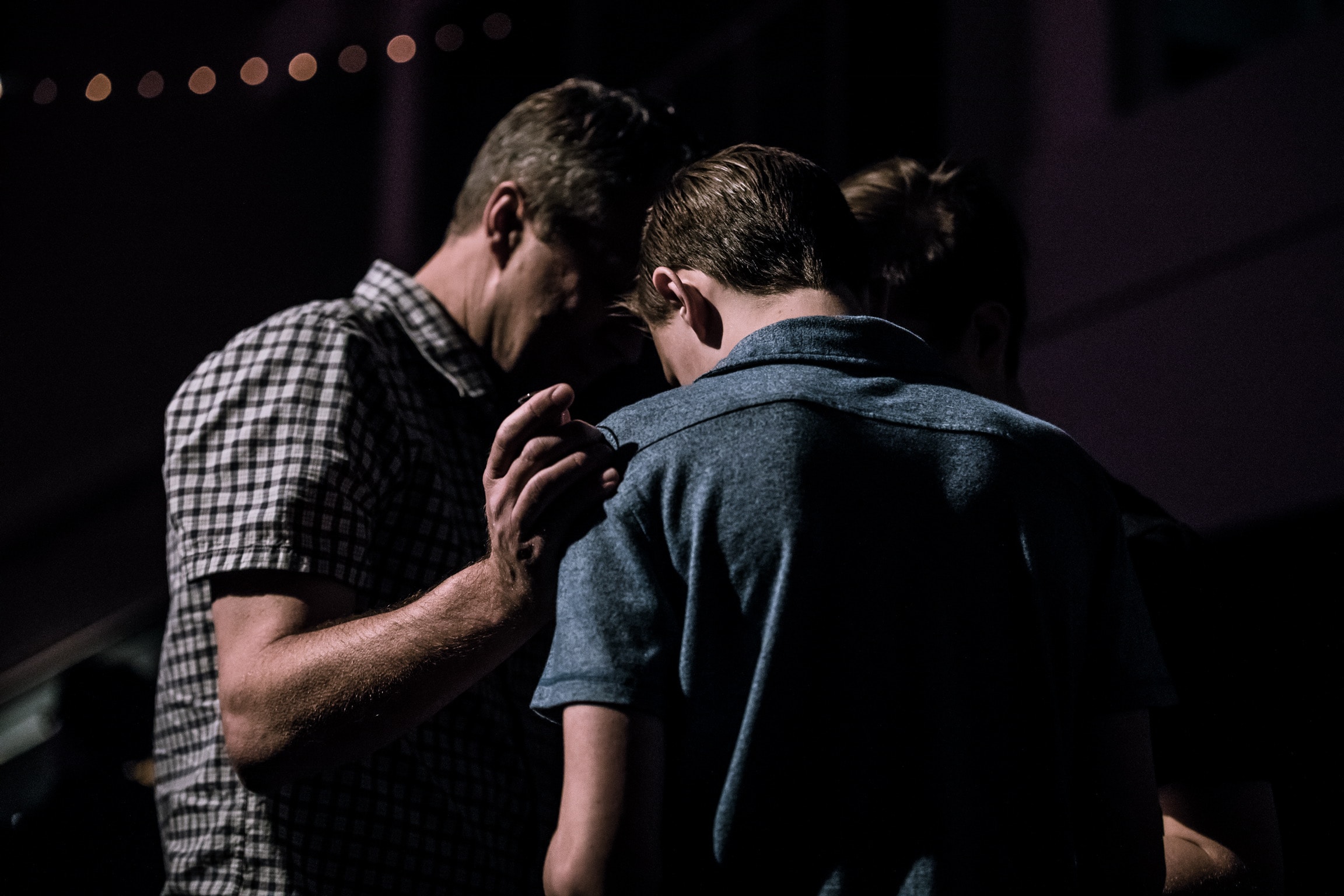 Four Truths About Fellowship: A Sermon on 1 John 1:1–2:6
As we know all too well, sin always separates. And thus, when fellowship breaks, there is, lurking somewhere, sin unconfessed. In those times, it is tempting to fix the problem(s) with our own wisdom and to work overtime to recreate the fellowship that was had before. Yet, in times when fellowship is lost, we must remember that God alone can “fix” it. And accordingly we should seek him first and all his righteousness.
To put it seasonally, before the Lord gives his church spring rains, he often makes us feel the bitterness of winter’s cold. This coldness may have known sources, or its chilling drafts may strike us without ever revealing the source of their cold. Yet, whatever the source of winter, we should remember that God is working, and that spring is coming. As Hosea 6:1–3 tells us, we must remember that the Lord is the one who breaks us, so that he can bind us; he hurts us (or permits us to feel pain), so that he can heal us (see Psalm 105). Then, from this place of weakened condition, we are invited to return to know the Lord.
This is the promise: God will sanctify his people, and he will bring them to confess their sins. And until sin is confessed, joy will be withheld. Yet, when we seek his light and see our darkness, it will prompt true confession, repentance, forgiveness, and grace. And this grace will bring a new season of fellowship, all provided by the Lord.
In the meantime, as we wait for spring, we can learn from Scripture what fellowship truly is. And for the next four Sundays, that is what we are going to do. Yesterday, we began this series by looking at 1 John 1:1–2:6. And in those opening verses of John's first epistle, we observed four truths about fellowship.
Four Truths About Fellowship: A Sermon on 1 John 1:1–2:6
As we know all too well, sin always separates. And thus, when fellowship breaks, there is, lurking somewhere, sin unconfessed. In those times, it is tempting to fix the problem(s) with our own wisdom and to work overtime to recreate the fellowship that was had before. Yet, in times when fellowship is lost, we must remember that God alone can “fix” it. And accordingly we should seek him first and all his righteousness.
To put it seasonally, before the Lord gives his church spring rains, he often makes us feel the bitterness of winter’s cold. This coldness may have known sources, or its chilling drafts may strike us without ever revealing the source of their cold. Yet, whatever the source of winter, we should remember that God is working, and that spring is coming. As Hosea 6:1–3 tells us, we must remember that the Lord is the one who breaks us, so that he can bind us; he hurts us (or permits us to feel pain), so that he can heal us (see Psalm 105). Then, from this place of weakened condition, we are invited to return to know the Lord.
This is the promise: God will sanctify his people, and he will bring them to confess their sins. And until sin is confessed, joy will be withheld. Yet, when we seek his light and see our darkness, it will prompt true confession, repentance, forgiveness, and grace. And this grace will bring a new season of fellowship, all provided by the Lord.
In the meantime, as we wait for spring, we can learn from Scripture what fellowship truly is. And for the next four Sundays, that is what we are going to do. Yesterday, we began this series by looking at 1 John 1:1–2:6. And in those opening verses of John's first epistle, we observed four truths about fellowship.
- Fellowship begins in the LORD (1:1–4)
- Fellowship continues by confessing sin (1:5–10)
- Fellowship centers on Christ’s priestly mediation (2:1–2)
- Fellowship depends on obeying God’s Word (2:3–6)
Leave a comment
Comments are read before they appear. Your email is never published.